Aluminum alloy cable: a new choice for lightweight and cost-effective power transmission
Aluminum alloy cable: a new choice for lightweight and cost-effective power transmission
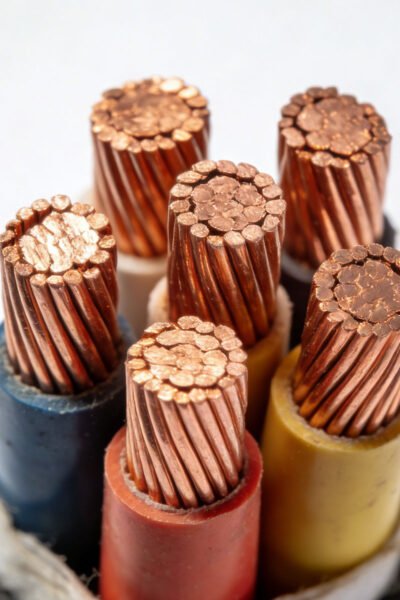
With the increasing demand for economy, reliability, and green low-carbon in modern power systems, aluminum alloy cables, a conductor material that balances performance and cost, are gradually becoming a popular choice in the field of medium and low voltage distribution. It is not a simple replacement for traditional pure aluminum cables, but a delicate balance between conductivity, creep resistance, corrosion resistance, and mechanical strength is found through alloying technology and advanced manufacturing processes. This article will comprehensively introduce aluminum alloy cables from multiple dimensions, including material characteristics, technological advantages, application scenarios, and comparison with copper cables.
1、What is aluminum alloy cable?
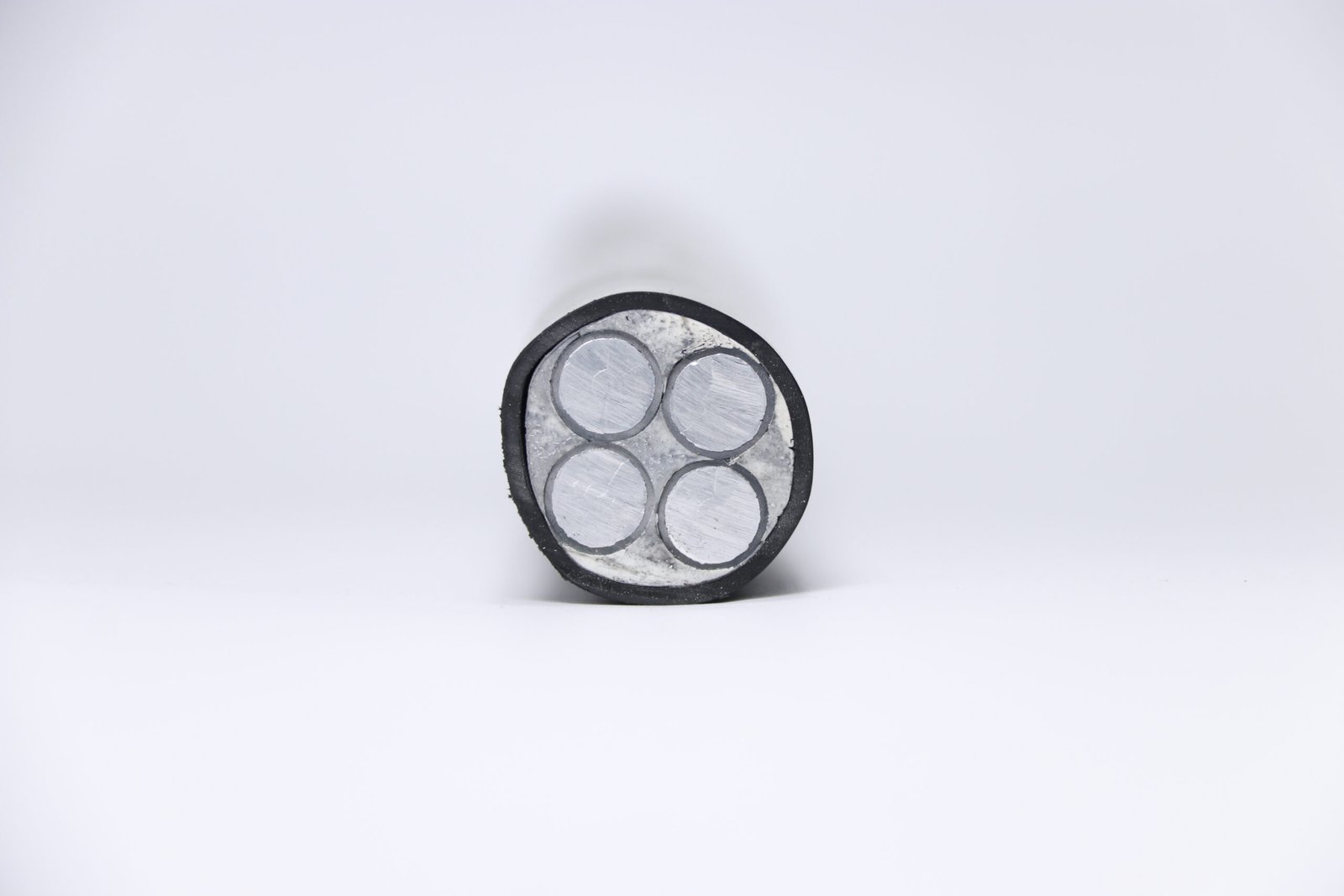
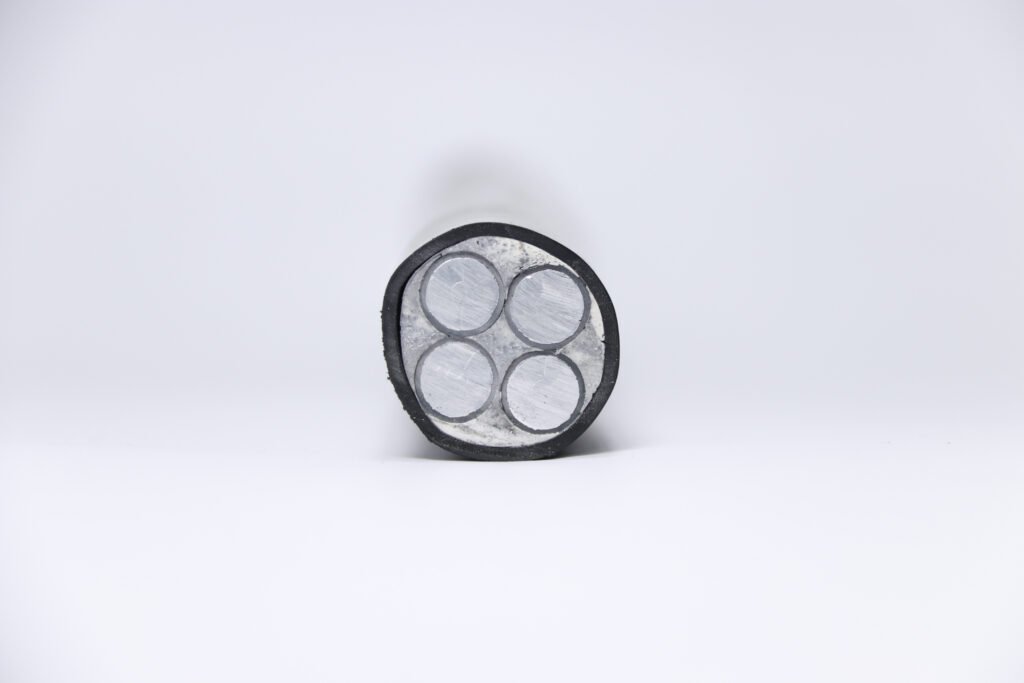
Aluminum alloy cables usually refer to power cables made of AA-8000 series aluminum alloys (such as 8030, 8176 grades) as conductor materials, extruded with insulation layer, sheath layer and possible armor layer after special annealing process. This series of alloys adds elements such as iron, copper, magnesium, and rare earths to pure aluminum, significantly improving the defects of creep and unstable connections in pure aluminum, while retaining the excellent characteristics of aluminum such as light weight and economy. At present, aluminum alloy cables have passed multiple international and domestic standard certifications such as UL, IEC, GB/T, etc., and can be widely used in transmission and distribution networks with rated voltages ranging from 0.6/1kV to 26/35kV.
2、Core advantage: Why choose aluminum alloy instead of copper cable?
①Significant lightweight advantage
The density of aluminum alloy is about 2.70 g/cm ³, which is only one-third of that of copper (8.89 g/cm ³). Under the same current carrying capacity conditions, the weight of aluminum alloy cables is about half that of copper cables. This feature significantly reduces the structural load-bearing requirements of cable trays and brackets, especially suitable for high-rise buildings, large-span factories, and overhead line construction, which can effectively save transportation and installation costs.
② Excellent conductivity economy
The conductivity of AA-8000 series alloy reaches 61% IACS (International Annealed Copper Standard), which is lower than pure copper, but its “conductivity/density ratio” is much higher than copper. This means that when transmitting the same current, aluminum alloy cables require lighter conductor weight, and the overall line cost can be reduced by 30% to 40%. For large section long-distance transmission projects, the economic advantages are particularly prominent.
③Creep resistance and connection reliability
Pure aluminum exhibits obvious creep phenomenon, which gradually undergoes plastic deformation under long-term stress or temperature fluctuations, leading to joint loosening and increased resistance. The 8000 series aluminum alloy forms a fine grain structure by adding elements such as iron and copper, and its creep rate is comparable to that of copper. Combined with specialized copper aluminum transition terminals or aluminum alloy connectors, and constructed according to specifications, it can ensure long-term stability and qualified temperature rise of the joint, fully meeting the electrical safety regulations.
④Excellent corrosion resistance
A dense layer of aluminum oxide protective film will naturally form on the surface of aluminum alloy, which has good corrosion resistance in the atmosphere, humidity, and most chemical media. Compared to copper, which is prone to discoloration and corrosion in specific environments such as sulfur-containing atmospheres, aluminum alloys exhibit more stability. For special scenarios such as coastal areas and industrial pollution zones, special protective sheaths can be used to further extend their service life.
⑤Excellent flexibility and easy construction
The alloy formula combined with complete annealing process gives aluminum alloy conductors excellent flexibility, with a bending radius of up to 7 times the outer diameter of the cable (copper cables are usually 10-15 times). This not only facilitates laying in narrow cable trays or corners, but also reduces the labor intensity of installation workers.
3、Standard manufacturing processes and quality assuranceThe production of high-quality aluminum alloy cables requires strict adherence to the following key steps:
Alloy melting and continuous casting and rolling: precise control of the proportion of iron, copper, rare earth and other additives, removal of gases and impurities, and obtaining uniform and dense rod materials.
Drawing and Annealing: Multiple cold drawing processes and full annealing (complete recrystallization) are used to restore grain size and achieve excellent elongation and flexibility.
Conductor twisting: Compact or circular twisting design reduces surface electric field concentration and improves overall mechanical strength.
Insulation and sheath: cross-linked polyethylene (XLPE), polyvinyl chloride (PVC) or low smoke halogen-free materials are used to meet the requirements of flame retardancy, fire resistance, weather resistance and other different scenarios.
Armor options: Steel or aluminum alloy belt armor, enhancing pressure resistance and rodent and ant resistance.
The finished product needs to undergo thermal cycling testing, salt spray corrosion testing, voltage testing, and tensile testing to ensure compliance with standards such as GB/T 31840, IEC 60502, UL 44, etc.
4、Main application scenarios①. Building power distribution
Vertical shaft main lines, power and lighting distribution for commercial complexes, hospitals, schools, and high-rise residential buildings. Lightweight reduces structural load and lowers construction difficulty.
②. Industrial plants
High current power lines in workshops such as metallurgy, chemical engineering, and mechanical manufacturing. Corrosion resistance, vibration resistance, and low long-term operating costs.
③. In the field of new energy
Photovoltaic power plants, wind farm collection lines, and inverter side distribution. Aluminum alloy cables have both lightweight and resistance to environmental aging, making them suitable for rapid installation in the field.
④. Infrastructure and Transportation
Lighting and power systems for subway stations and high-speed railway station buildings; Airport terminal power distribution; Port terminal power supply. The advantages are obvious in large-span bridge structures.
⑤. Data center and communication base station
The backup and main power supply paths of high-density cabinets are flexible and convenient for standard cabinet bottom entry.
⑥、 Attention: Connection is key
Although the performance of aluminum alloy cable bodies is very mature, their long-term reliable operation highly relies on correct and professional connection processes. Special attention should be paid to:
Use copper aluminum transition terminals or aluminum alloy specialized terminals (mostly made of tin plated aluminum or high conductivity aluminum alloy) that match aluminum alloy conductors.
Remove the oxide film before connection and apply antioxidant conductive paste.
Use a torque wrench to tighten the bolts according to the terminal specifications to avoid insufficient or excessive pressure.
Regular infrared temperature measurement to check the temperature rise of the joints.
As long as the manufacturer’s guidance and national standards are followed during construction, the connection stability of aluminum alloy cables can fully reach the same level as copper cable systems.
5、Environmental Protection and Sustainable Development
From a full lifecycle perspective, the carbon emissions during the manufacturing process of aluminum alloy cables are only about 60% to 70% of those of copper cables. Aluminum resources have abundant reserves and high recycling rates, which are in line with the “dual carbon” strategy and green building material evaluation system. More and more green buildings and LEED certified projects are using aluminum alloy cables as a bonus.