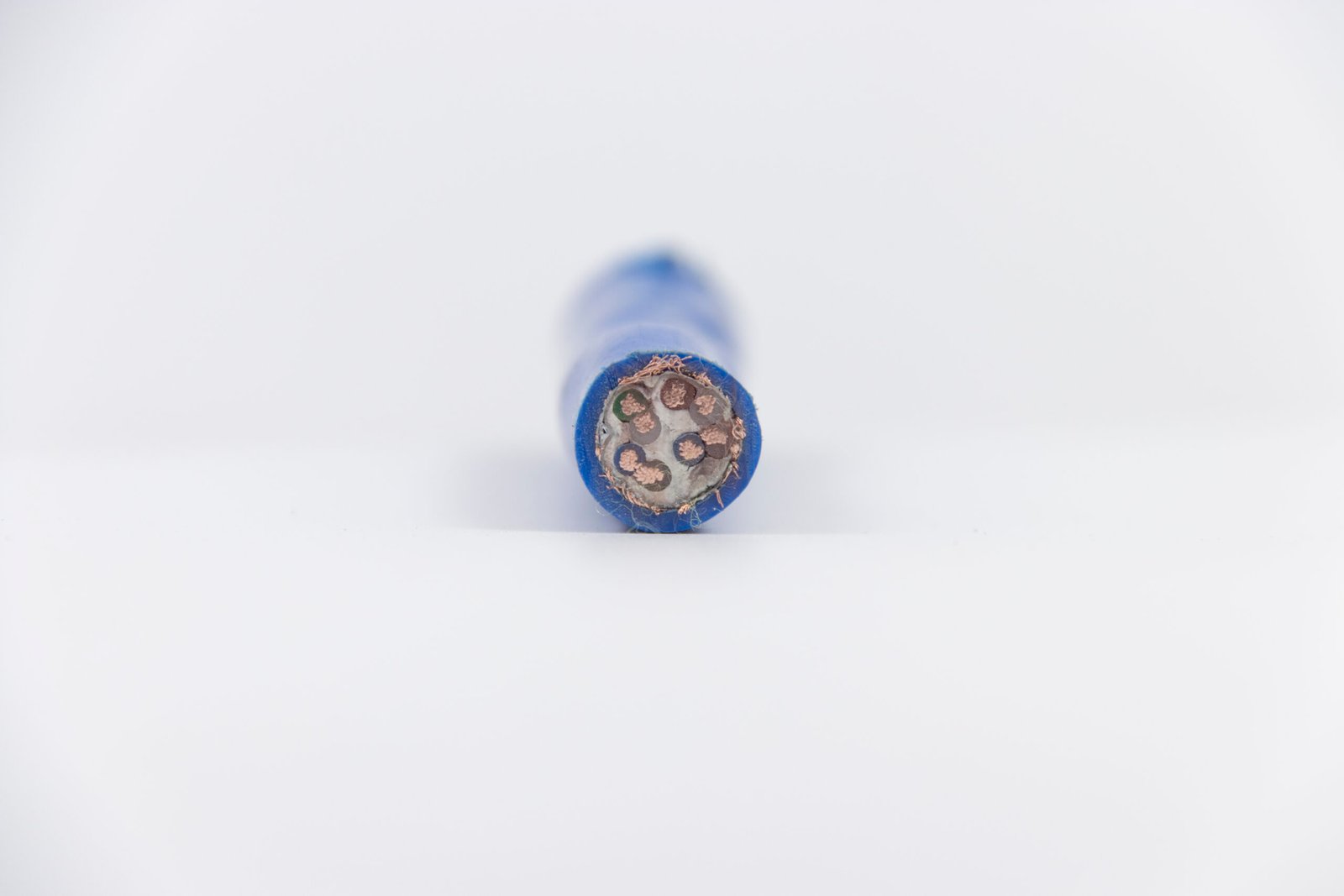
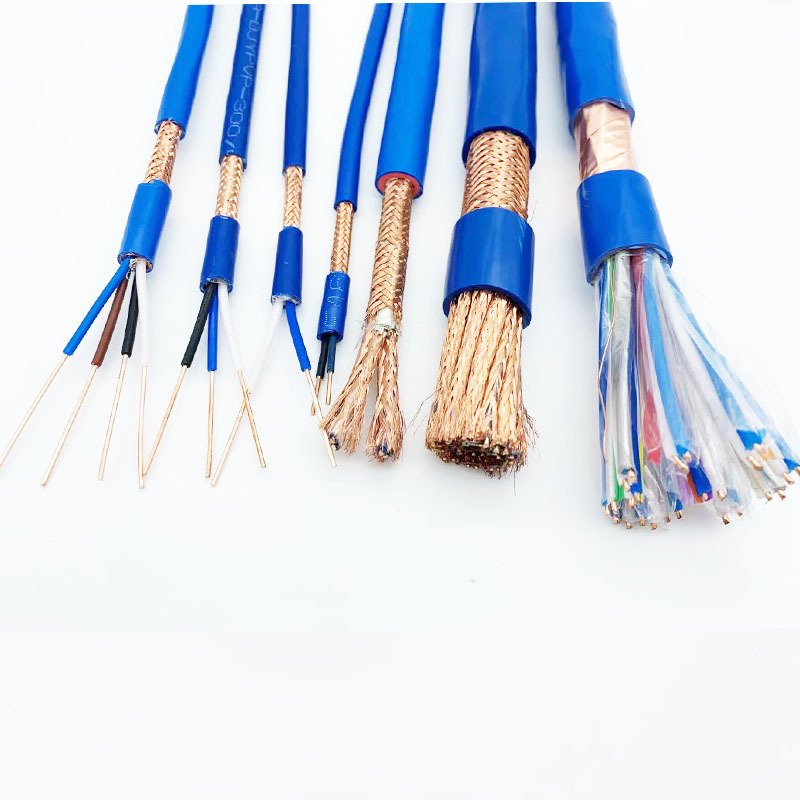
The core value of computer cables lies in their precise structural design, especially their excellent anti-interference ability.
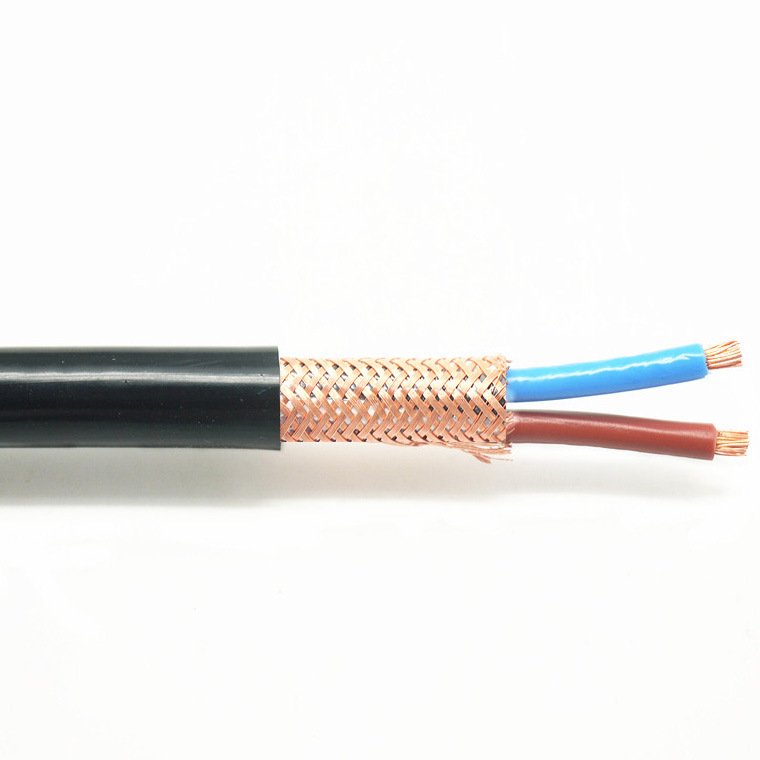
Multi layer shielding structure: This is its most significant technical feature. Industrial sites are filled with strong interference sources such as frequency converters and motors, while computer cables usually adopt a double-layer design of "separate shielding+total shielding". This structure is like putting two layers of bulletproof vests on fragile data:
Split shielding (twisted pair shielding): Wrap each pair of signal lines to effectively reduce crosstalk between pairs and ensure that multiple signals are transmitted in parallel without interfering with each other.
Total shielding: Wrap the entire cable core to build an overall defense line against external electromagnetic interference (EMI).
This design can effectively improve the signal-to-noise ratio by more than 40%, ensuring that data is not disturbed in harsh environments. However, general CAT5e network cables or ordinary control cables often do not have or only have this capability to a limited extent.
Highly reliable materials and processes: In order to adapt to the harsh environment of industrial sites, computer cables prioritize high reliability in both materials and processes.
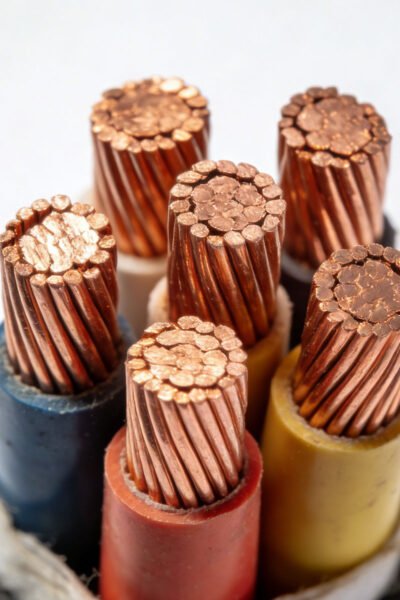
Conductor: High purity oxygen free copper is used to reduce signal attenuation.
Insulation material: commonly used polyethylene (PE), with extremely high insulation resistance, effectively ensuring signal accuracy.
Sheath material: Polyvinyl chloride (PVC), low smoke halogen-free (LSZH) and other materials can be selected to provide different characteristics such as wear resistance, flame retardancy, and oil resistance to adapt to various working conditions.
Armor layer: Some models also include steel strip armor inside the outer sheath to enhance the mechanical strength of tensile and compressive strength, suitable for direct burial environments.
Stable transmission performance: Computer cables are optimized for signal transmission, ensuring data integrity. It has the characteristics of low attenuation and impedance matching (such as 100 Ω), which makes the data transmission delay usually less than 1ms, meeting the strict real-time requirements of industrial sites