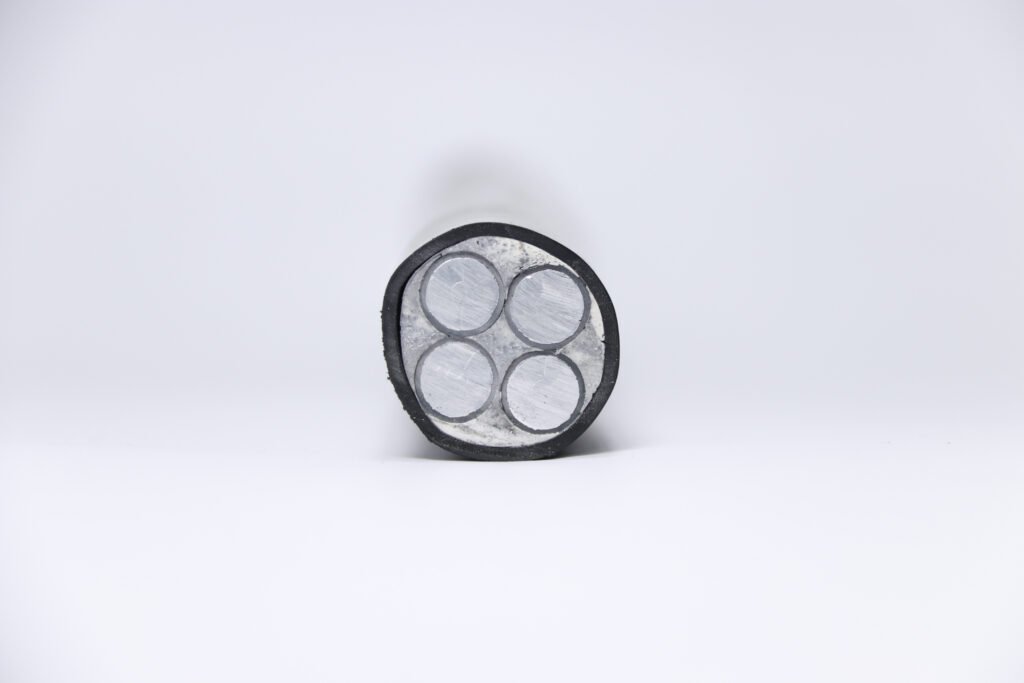
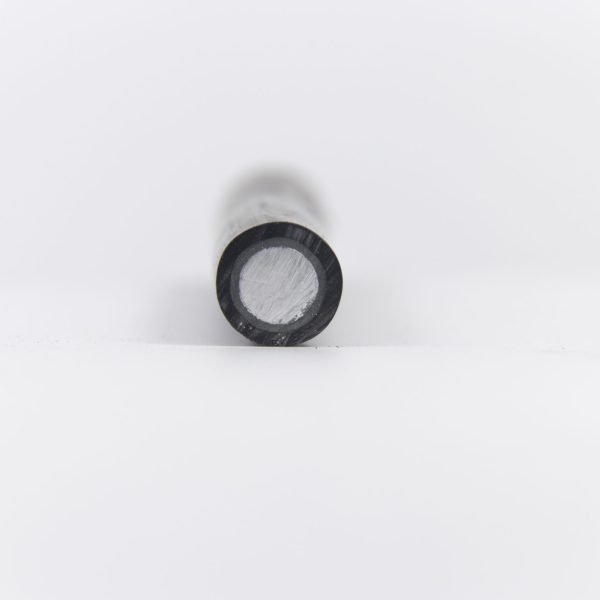
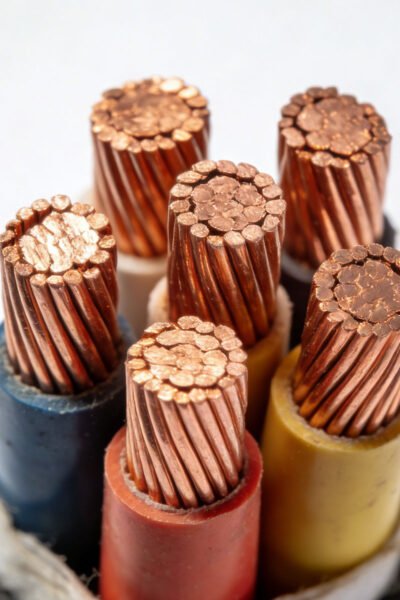
The core advantages of aluminum alloy cables
1. Significant lightweight and easy installation
The density is only one-third of copper (aluminum alloy ≈ 2.70 g/cm ³, copper ≈ 8.89 g/cm ³). Under the same current carrying capacity, the weight of aluminum alloy cables is about half that of copper cables.
Significantly reduce the structural load-bearing requirements of cable trays and brackets, reduce transportation and installation labor intensity, especially suitable for large-span, high-rise buildings or overhead power lines.
2. High economic cost-effectiveness
The material cost is 30% to 50% lower than copper cable, and the overall cost can be reduced by 30% to 40%.
The advantages are particularly prominent in large section and long-distance transmission projects, which can effectively control the project budget.
3. Excellent creep resistance performance
Pure aluminum is prone to creep under long-term heating or pressure, leading to loose joints. The 8000 series aluminum alloy has a creep rate comparable to copper through alloying and complete annealing processes.
Combined with specialized copper aluminum transition terminals or aluminum alloy connectors, the joint is stable for a long time without increasing contact resistance.
4. Strong corrosion resistance
The surface naturally forms a dense alumina protective film, which is resistant to atmospheric, humid, and most chemical media corrosion.
It performs better than copper in coastal and industrial pollution areas (copper is prone to discoloration and corrosion in sulfur-containing atmospheres).
5. Good flexibility and easy construction
The minimum bending radius can reach 7D (D is the outer diameter of the cable), which is more flexible than copper cables (10~15D).
Easy to thread and turn, reducing the difficulty of laying.
6. Green and environmentally friendly
The carbon emissions throughout the entire lifecycle are about 30% to 40% lower than copper cables. Aluminum resources are abundant and have a high recycling rate, which meets the "dual carbon" strategy and green building evaluation standards.