1. Excellent anti electromagnetic and anti-interference ability
Resist external interference: It can effectively isolate the strong electromagnetic field generated by high-power equipment such as motors, frequency converters, transformers, etc., ensuring that internal signals (such as 4-20mA, RS-485, audio/video) are not affected.
Suppress internal radiation: prevent high-frequency signals (such as communication data and switch pulses) from radiating outward through cables to avoid interference with surrounding precision electronic devices.
2. Improve signal transmission quality
Reducing bit error rate: In industrial control and data communication, it can significantly reduce data errors, packet loss, or control failures caused by interference.
Ensuring the accuracy of weak signals: For millivolt level analog signals output by sensors (such as thermocouples and strain gauges), shielding can ensure that the measured values are not contaminated by "noise".
3. Enhance system security
In flammable and explosive environments, the shielding layer can effectively discharge static electricity accumulation and reduce the risk of sparks. At the same time, high-quality shielding and grounding can quickly transfer destructive high-frequency energy caused by lightning strikes or surge overvoltages into the ground.
4. Structural flexibility and diversity
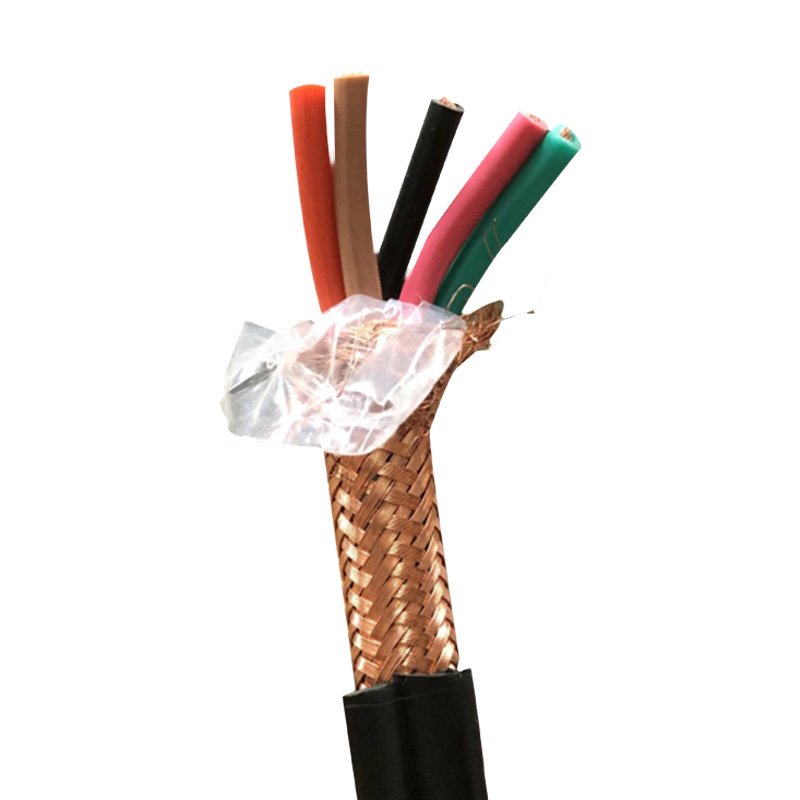
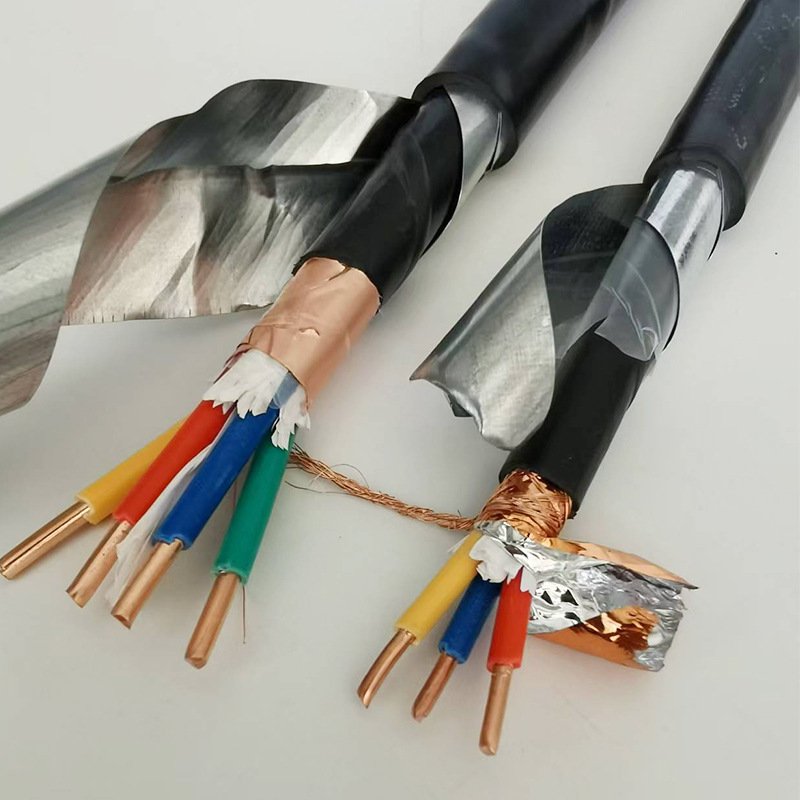
Single layer shielding (aluminum foil/woven mesh) or double-layer shielding (aluminum foil+woven mesh) can be used, or each pair of core wires can be individually shielded (sub shielded) and then shielded as a whole (total shielded).
5. Expansion of auxiliary functions
The shielding layer can be used as an independent grounding conductor; In some high-frequency transmissions, it can also play a role in stabilizing characteristic impedance and reducing signal reflection.