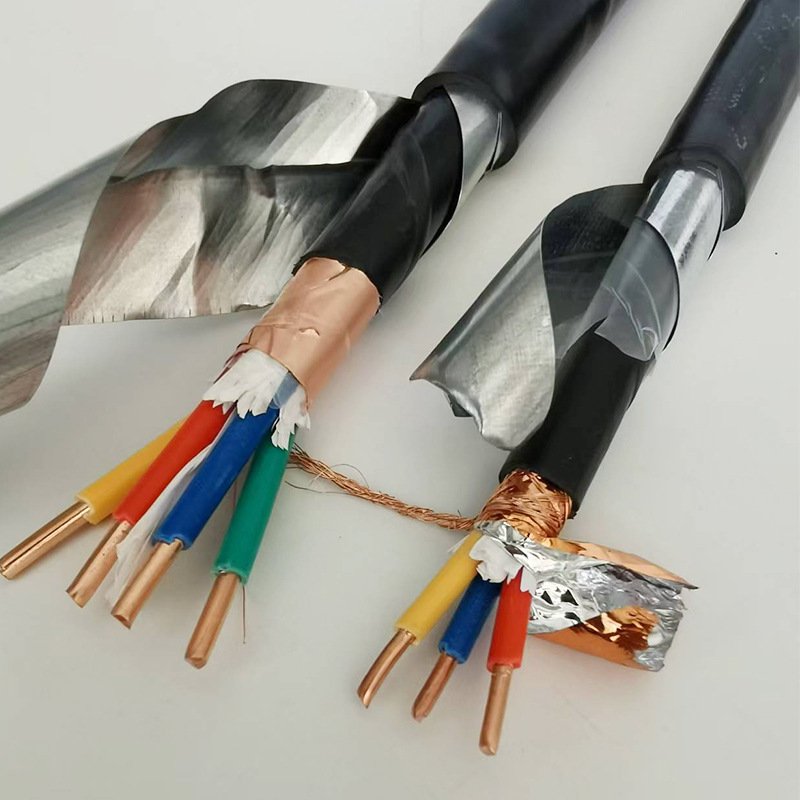
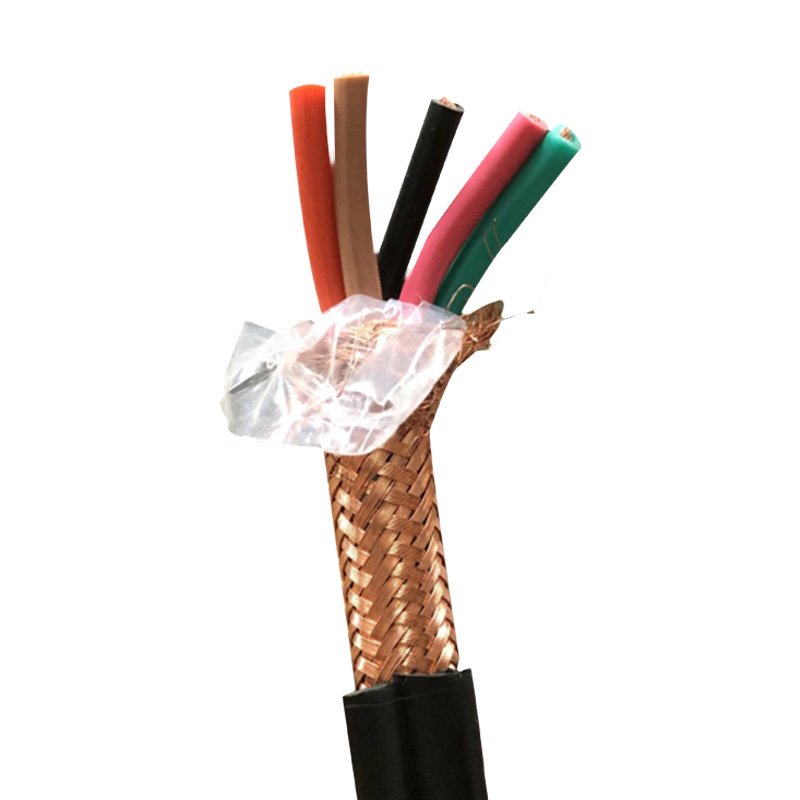
With outstanding performance, armored shielded cables play a crucial role in many fields that require strict safety and reliability.
🎬 Industrial automation site: In workshops such as automobile manufacturing and metal processing, a large number of frequency converters and motors generate strong electromagnetic interference, which can easily cause misjudgment of signals in PLC (programmable logic controller) and DCS (distributed control system) systems. Armored shielded control cables (such as KVVP2-22) can ensure accurate signals, while the hard armor layer can resist mechanical vibrations, oil pollution erosion, and other factors in industrial sites, ensuring stable operation of automation systems.
⚡ Energy and power facilities: The electromagnetic environment of substations and power plants is complex, and there are also snakes and rodents lurking. In cable trenches and direct burial scenarios, the signal stability of armored shielded cables is extremely high. When laying cables in trenches or directly buried, the armor layer can resist soil pressure and rodent bites; Its shielding structure can ensure the accuracy of signals such as relay protection and instrument monitoring.
🚇 Infrastructure and transportation hubs: subways, high-speed trains, airports, data centers, etc. have extremely high requirements for system reliability. Armored shielded cables comply with the Low Smoke Zero Halogen (LSZH) flame retardant standard, with thin smoke and extremely low toxicity when burned. Steel belt armor can prevent rodent bites and meet high reliability requirements in harsh environments.
🚢 Special and harsh environments: In harsh environments such as ships and offshore oil platforms with high salt spray, high humidity, and strong corrosion, cables must withstand long-term seawater erosion and severe vibrations. Specially designed for ship and maritime applications, armored shielded cables meet a series of stringent ship standards such as oil resistance, UV resistance, and salt spray resistance, ensuring absolute reliability of communication and power systems.