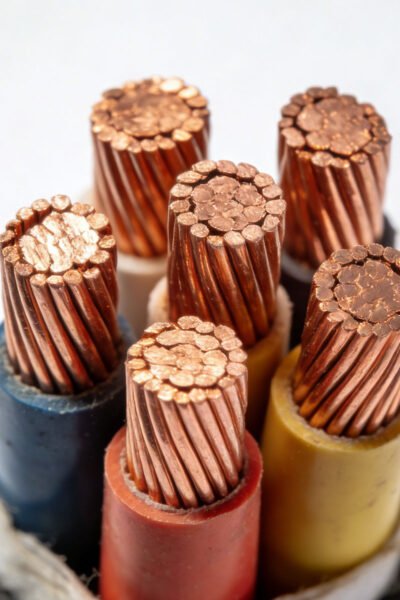
⚡ Core advantage: Why choose photovoltaic dedicated cables?
The design service life of photovoltaic cables is matched with the module life, usually more than 25 years, and its core advantages are as follows:
Super strong UV resistance and weather resistance: using special radiation cross-linked materials such as XLPO, it can resist the erosion of sunlight, high temperature, humidity, and salt spray for a long time, and its lifespan far exceeds that of ordinary PVC cables. Experiments have shown that its UV resistance life is 32 times that of PVC cables.
Extreme temperature adaptability: Using specialized materials that can withstand temperatures up to 120 ℃, it can operate normally in environments ranging from -40 ℃ to+90 ℃ and can hold its position in any extreme climate around the world.
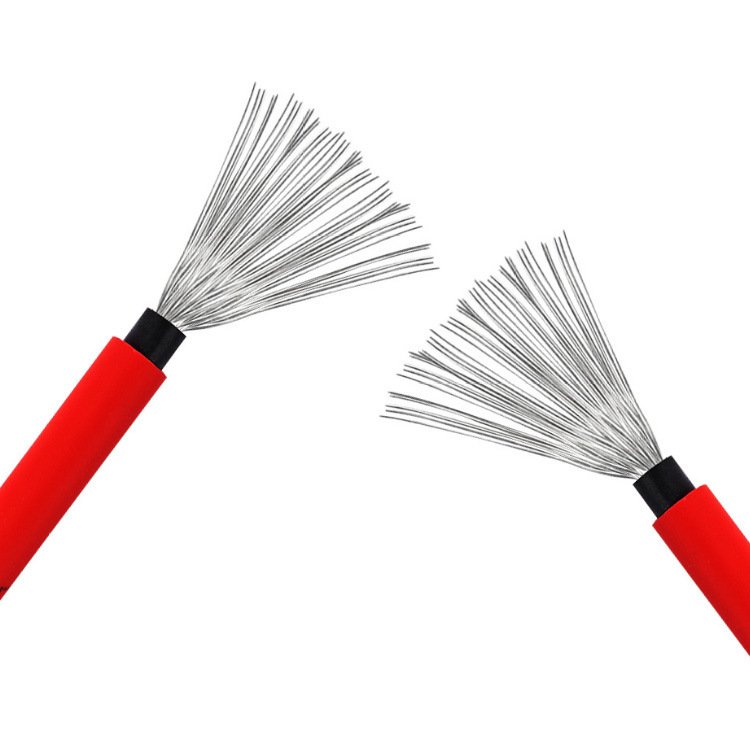
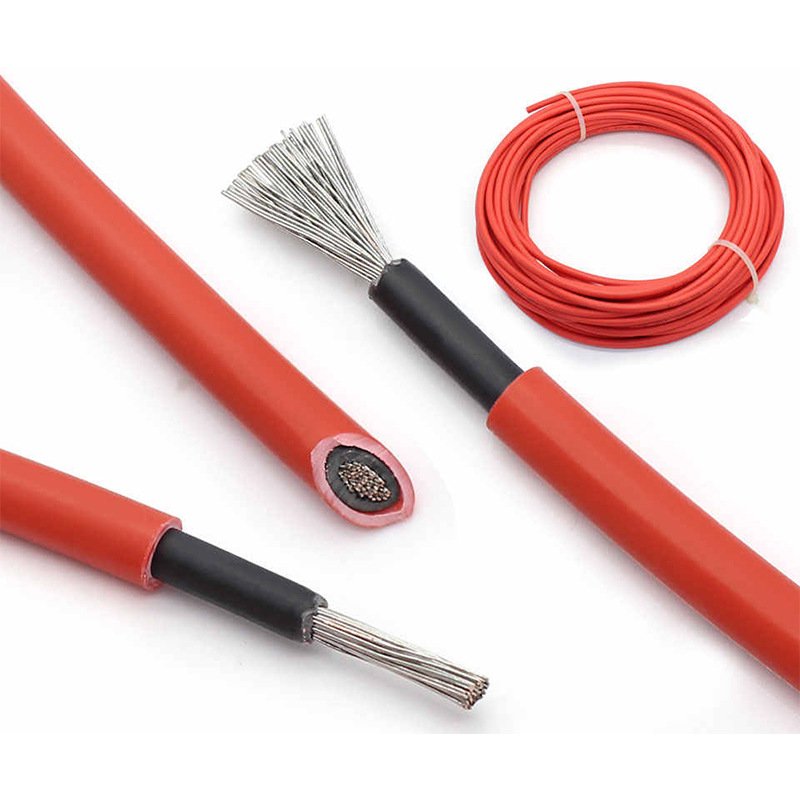
Excellent mechanical and electrical performance: tensile and wear-resistant, good flexibility, easy to install; Low conductor resistance can effectively reduce energy loss during transmission.
Highly safe and environmentally friendly: It has three major safety characteristics: flame retardant, halogen-free, and low smoke. It does not support combustion or release large amounts of corrosive toxic gases when exposed to fire, effectively preventing secondary injuries.
In addition, thanks to the strong global investment demand for photovoltaic systems, the photovoltaic cable market is growing rapidly, providing strong impetus for continuous innovation in cable technology.
🌍 Core application: Reliable “channel” for light energy transmission
Photovoltaic cables are indispensable “energy transmitters” in photovoltaic power plants. Its core function is not only to transmit DC power in the main circuit of photovoltaic systems (such as series cables between strings, parallel cables from component arrays to DC combiner boxes, cables connecting DC combiner boxes and inverters, etc.), but also widely used in connecting inverters, transformers, and power grids in AC circuits, as well as adapting to various power plant scenarios such as ground, roof, and water.
Large scale ground power stations require the laying of cables with long distances and high voltage levels, often using cables with larger cross-sectional areas and withstand voltage levels up to 1.8kV. Can be combined with pre branched cables to save on-site construction time.
Roof distributed photovoltaics: Cable laying needs to be more flexible and lightweight to reduce roof loads. Can be laid in cable trays/conduits, often using single core flexible cables with small bending radii.
Water/offshore photovoltaics: It requires extremely high performance in terms of waterproofing, moisture resistance, salt spray resistance, corrosion resistance, and is one of the most demanding scenarios. Often requires specialized certification for offshore photovoltaic cables (such as T Ü V Rheinland 2PfG 2962 type certification).
BIPV (Building Integrated Photovoltaics): Must meet the fire, moisture, and aesthetic requirements of the building. Require cables to have high flame retardant rating (Class C or above) and low smoke halogen-free characteristics, and to be able to flexibly fit with building structures.
Industrial, commercial, and household photovoltaics: flexible system scale, emphasis on cost-effectiveness and ease of installation. Reliability, lightness, and ease of construction are key